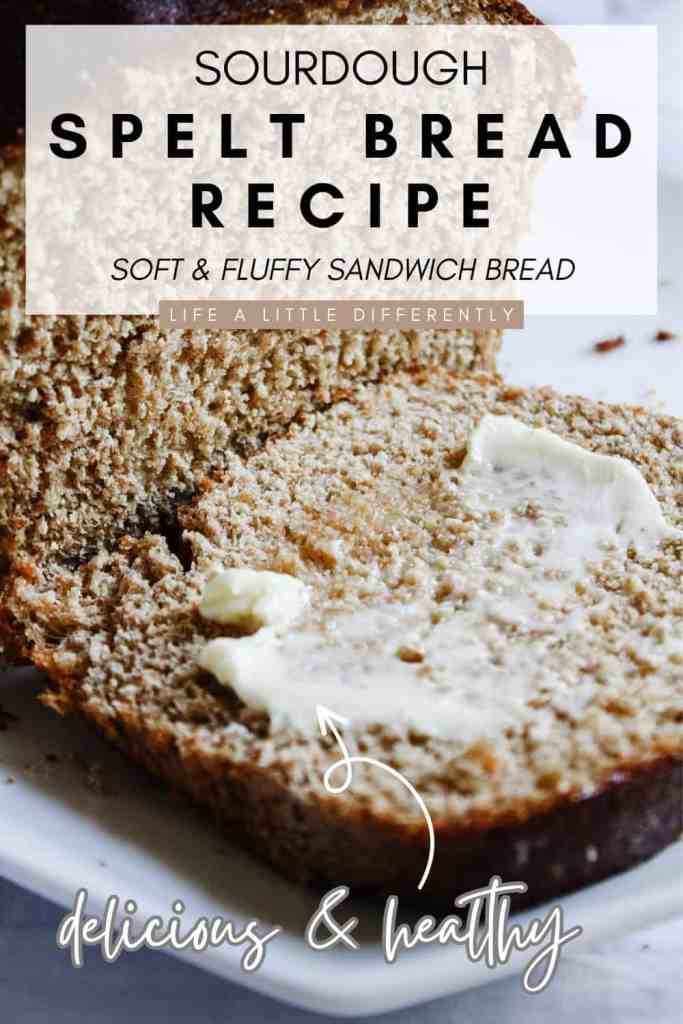
Homemade Sourdough Spelt Bread Recipe
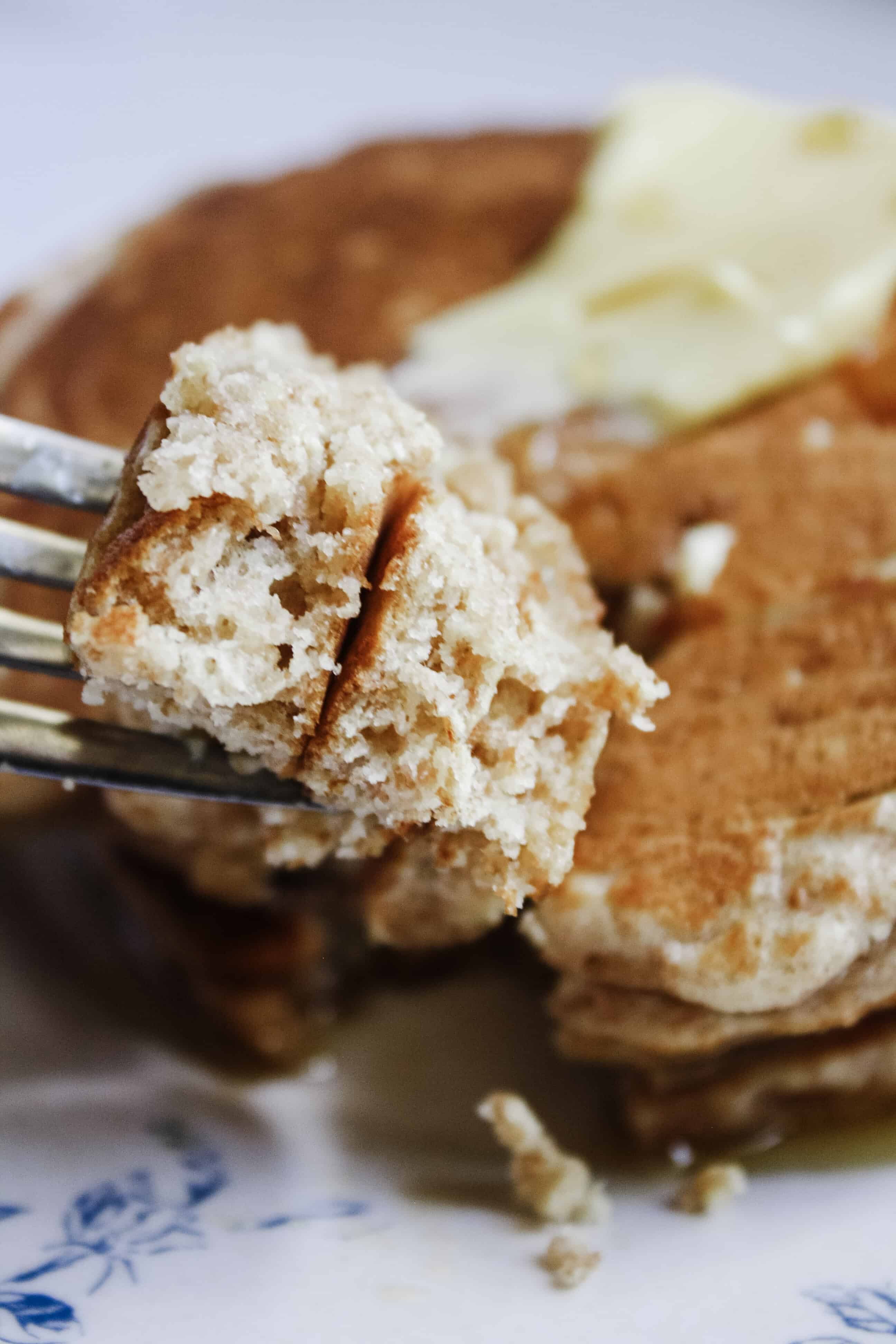
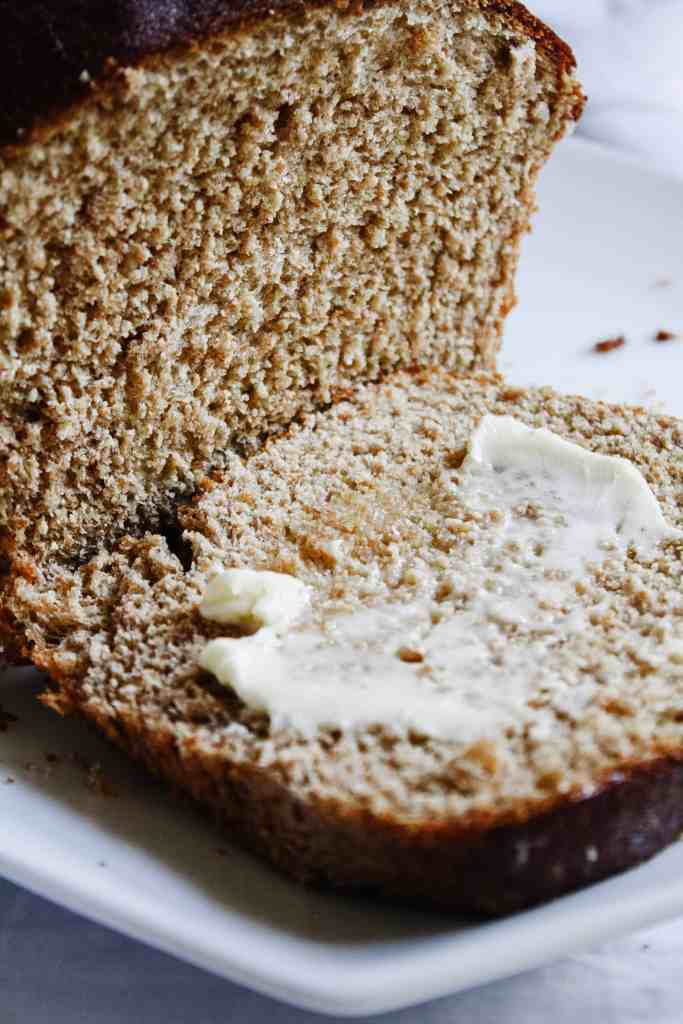
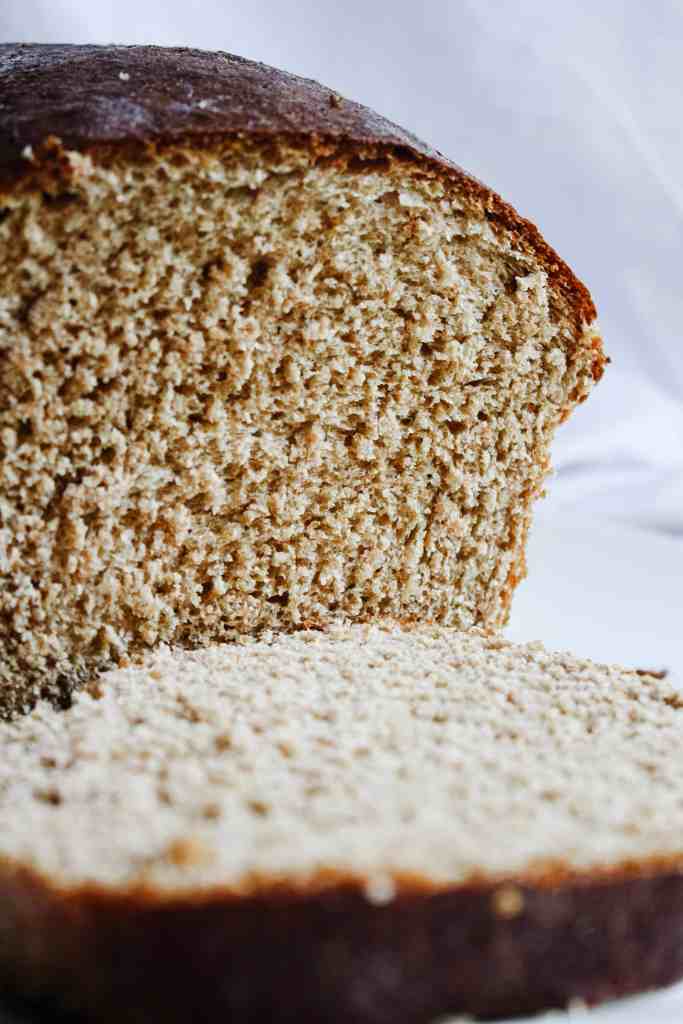
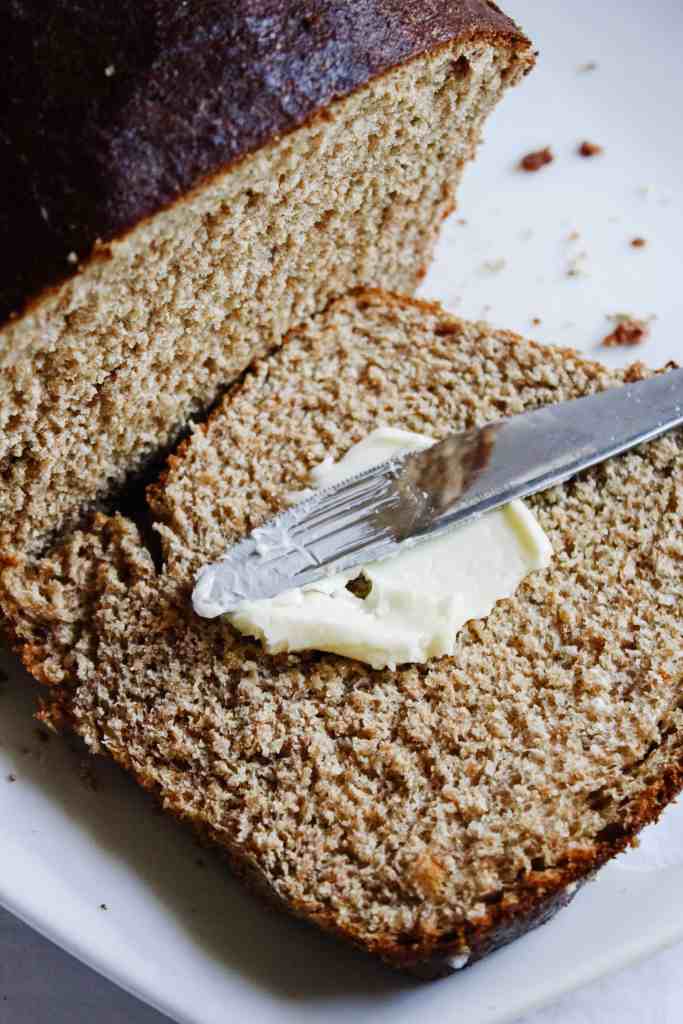
This sourdough spelt bread recipe is soft and fluffy, the perfect bread for sandwiches, toast, or enjoyed with butter. The fresh milled spelt flour and long-fermented sourdough adds a depth of flavor and nutritional benefits that can’t be found in store-bought bread.
*This post may contain affiliate links. See our disclosure policy.
What is spelt?
Spelt is an ancient grain that has not been cross-bred like modern wheat. Fresh milled spelt flour is nutrient dense and a great way to increase the nutritional value of your baked goods!
Spelt flour is soft, perfect for cookies, muffins, and cakes. It also has a gluten content and makes soft, fluffy bread that other whole grains can’t produce. Spelt, however, does not absorb as much liquid as other grains, therefore you must use 1/4 cup more spelt flour for every cup of regular flour. (The Essential Home-Ground Flour Book)
What are the healthy benefits of spelt bread?
Spelt flour is easier to digest compared to other types of wheat because it’s gluten structure is more water soluble. Many find that eating spelt bread is gentler on the stomach than other breads.
Spelt is also rich in fiber. It promotes healthy digestion, elimination of waste, and feeds the healthy bacteria in the gut to promote better gut health. The fiber content also helps to manage cholesterol levels.
Another health benefit of spelt bread is that it is a low glycemic food, producing energy slowly and keeping blood sugar levels controlled. Unlike other breads made with all purpose flour, spelt bread does not cause a spike and crash in blood sugar levels due to the higher fiber content.
Spelt bread is packed full of micronutrients such as iron, zinc, magnesium, and B vitamins. These nutrients support the immune system, healthy bones, and muscles.
What are the healthy benefits of sourdough?
Sourdough starter is flour and water that has been fermented and creates a natural yeast used in rising baked goods.
By adding sourdough starter to the bread dough and allowing the dough to sit for 24 hours ferments the spelt bread dough. Fermentation breaks down the gluten in the bread so that your digestive system does not have to, making this sourdough spelt bread easier to digest and gentler on the stomach.
The healthy bacteria in the sourdough feeds the gut microbiome and keeps it healthy. Because spelt flour also feeds the gut, the combination of sourdough and spelt makes this spelt bread recipe a nutritional powerhouse that is also delicious and tastes better than store-bought bread!
Why should I bake my own bread?
Nearly every bread at the grocery store is packed full of chemicals and preservatives that do not belong in bread. The flour is sifted, devoid of nutrients, and lacks fiber causing your blood sugar to spike and crash when you eat it.
Store-bought bread has little to no nutritional value and is better left out of your diet altogether. Homemade bread, however, such as this sourdough spelt bread recipe, is made with true whole grains, rich in vitamins and nutrients, and feeds your gut for better health.
Learning skills such as making your own bread, raising your own meat, or making your own herbal remedies are small ways that you can take back ownership of your health.
Before You Begin
Before you begin your bread recipe, make sure your sourdough starter has been fed within 24 hours of starting the spelt bread dough. Your sourdough starter should be active, bubbly, alive, and healthy in order to make a successful loaf of bread.
You can feed your starter spelt flour or any other type of flour. If your starter does not show activity after being fed, it is not healthy and should not be used to make this spelt bread recipe. Wait a few days and continue to feed the starter until it is bubbly again.
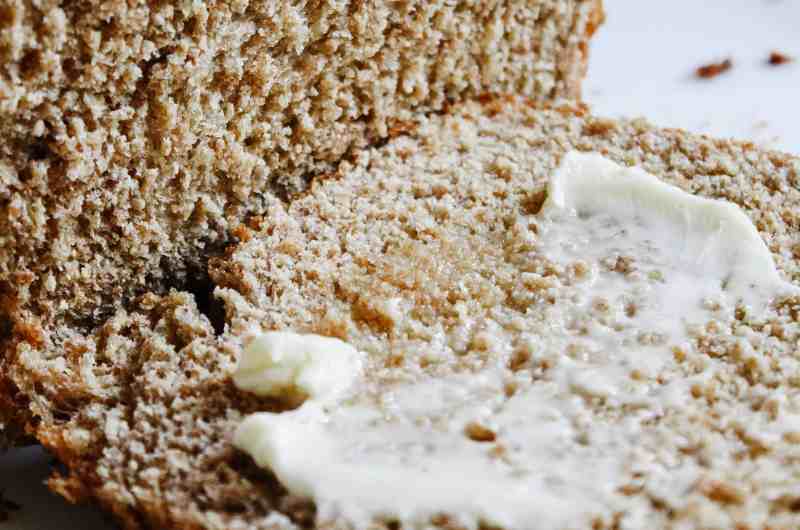
Homemade Sourdough Spelt Bread Recipe
Course: Sides2
loaves30
minutes40
minutesThis sourdough spelt bread recipe is soft and fluffy, the perfect bread for sandwiches, toast, or enjoyed with butter. The fresh milled spelt flour and long-fermented sourdough adds a depth of flavor and nutritional benefits that can’t be found in store-bought bread.
Before You Begin
Feed your sourdough starter so that it is active and healthy.
Benefits of Spelt
– High in fiber
– Easier to digest
– Balance blood sugar
– Feeds gut microbiome
Other Spelt Recipes
– Sourdough Spelt Cinnamon Rolls
– Spelt Chocolate Chip Cookies
– Banana Chocolate Chip Spelt Muffins
Ingredients
1,280 g spelt flour
531 g warm milk
112 g melted butter (1 stick)
168 g honey
17 g salt
113 g starter
2 eggs
Directions
- Measure out 1,280 grams of spelt wheat berries and mill the flour.
- In the mixing bowl, add the butter, honey, salt, eggs, flour, milk, and starter.
- Mix the dough with your hands or a dough hook on an electric mixer until the ingredients are well combined.
- Cover the dough with a warm, damp cloth and allow the dough to rise on the counter for 12-24 hours or until doubled in size.

- Once the dough has doubled in size, cut the dough in half and roll and shape the dough into loaves.
- Place each shaped loaf into a greased loaf pan.
- Cover the loaves with a warm, damp cloth and allow the dough to rise on the counter for 3-6 hours or until doubled in size.
- Preheat the oven to 350 F and bake for 30-40 minutes or until golden brown.
- The internal temp should be 190-200 F.
- When the warm bread comes out of the oven, butter the top of the bread with a cold stick of butter to soften the top of the bread.
- Allow the bread to rest for 1 hour before cutting.
- Other Fresh Milled Flour Recipes


Notes
- Replace the spelt flour with 8 cups of all purpose flour or 1,000 g of hard white wheat.
Ingredients for Spelt Bread Recipe
- Spelt
- Sourdough starter
- Milk
- Butter
- Honey
- Salt
- Eggs
Equipment
- Mixer with dough hook (optional)
- Mixing bowl
- Bread pans
- Serrated knife
How to Make Spelt Bread Recipe
Measure out 1,280 grams of spelt wheat berries and mill the flour.
In the mixing bowl, add the butter, honey, salt, eggs, flour, milk, and starter.
Mix the dough with your hands or a dough hook on an electric mixer until the ingredients are well combined.
Cover the dough with a warm, damp cloth and allow the dough to rise on the counter for 12-24 hours or until doubled in size.
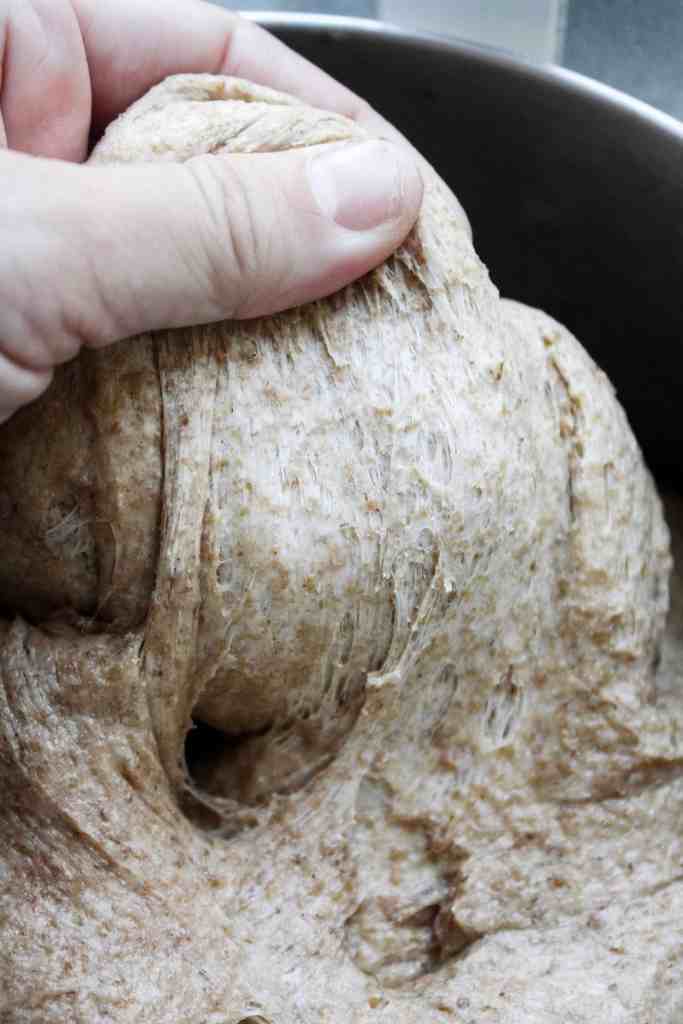

Once the dough has doubled in size, cut the dough in half and roll and shape the dough into loaves.
Place each shaped loaf into a greased loaf pan.

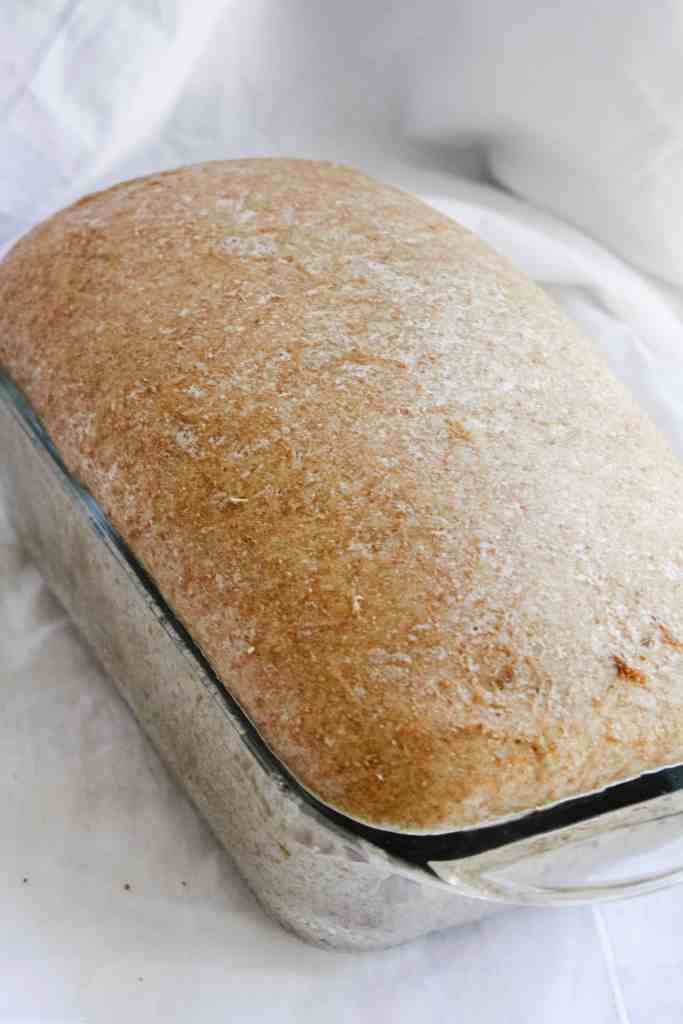
Cover the loaves with a warm, damp cloth and allow the dough to rise on the counter for 3-6 hours or until doubled in size.
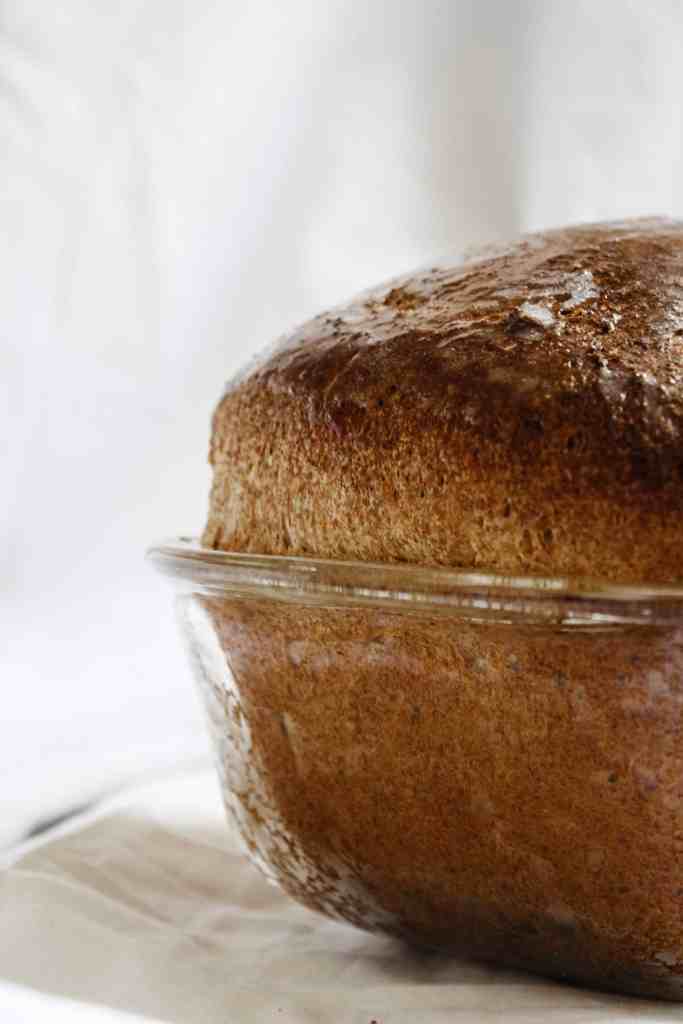
Preheat the oven to 350 F and bake for 30-40 minutes or until golden brown.
The internal temp should be 190-200 F.
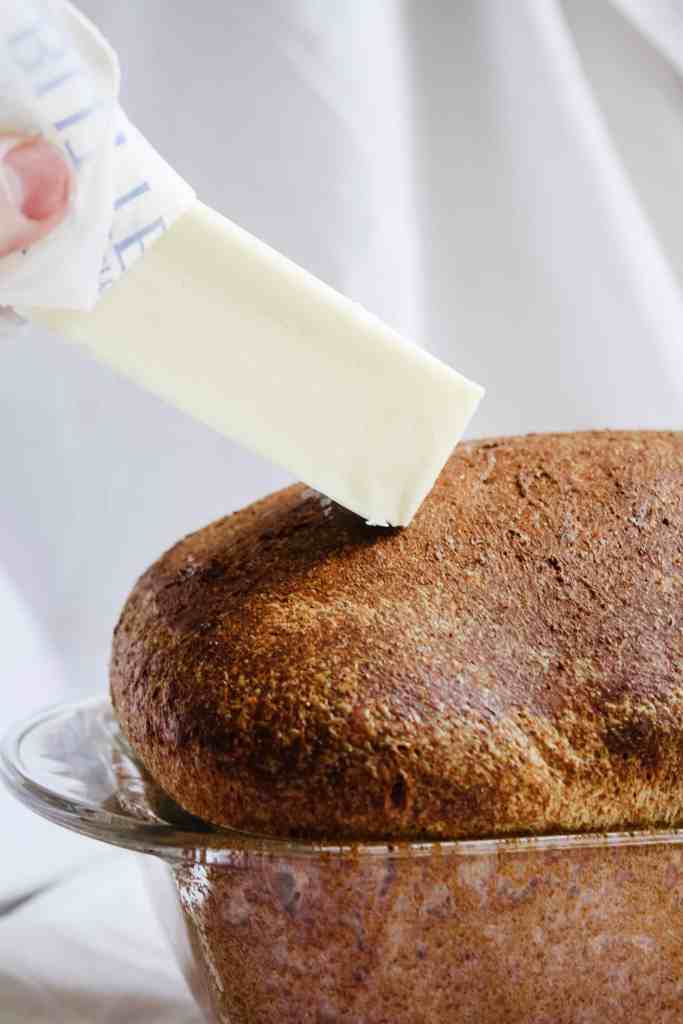
When the warm bread comes out of the oven, butter the top of the bread with a cold stick of butter to soften the top of the bread.
Allow the bread to rest for 1 hour before cutting.
Storage
Once the bread has completely cooled, store it in an airtight container at room temperature for up to a week. To freeze a loaf of bread, once it has cooled, wrap it tightly in plastic wrap and store in an airtight gallon bag. Freeze for 3-6 months.
To thaw, unwrap the frozen bread and leave it unwrapped on the counter until it has completely thawed. If the bread is wrapped while thawing, the condensation will make the bread soggy.
FAQ
Should my starter be active before making this bread? Your starter needs to be healthy, but it does not need to be active. If your starter has not been fed for several weeks, then it may need a feed or two to get it active again. If your starter has been fed within the week, you can use it in this recipe. The bread may just use the full 24 hours to double.
Can I use stretch and folds instead of kneading? Yes, you can periodically stretch and fold the dough as it rises to help the gluten to form rather than kneading the dough for several minutes.
Should I bake with steam? No, this sandwich bread recipe does not require steam in order to rise and bake.
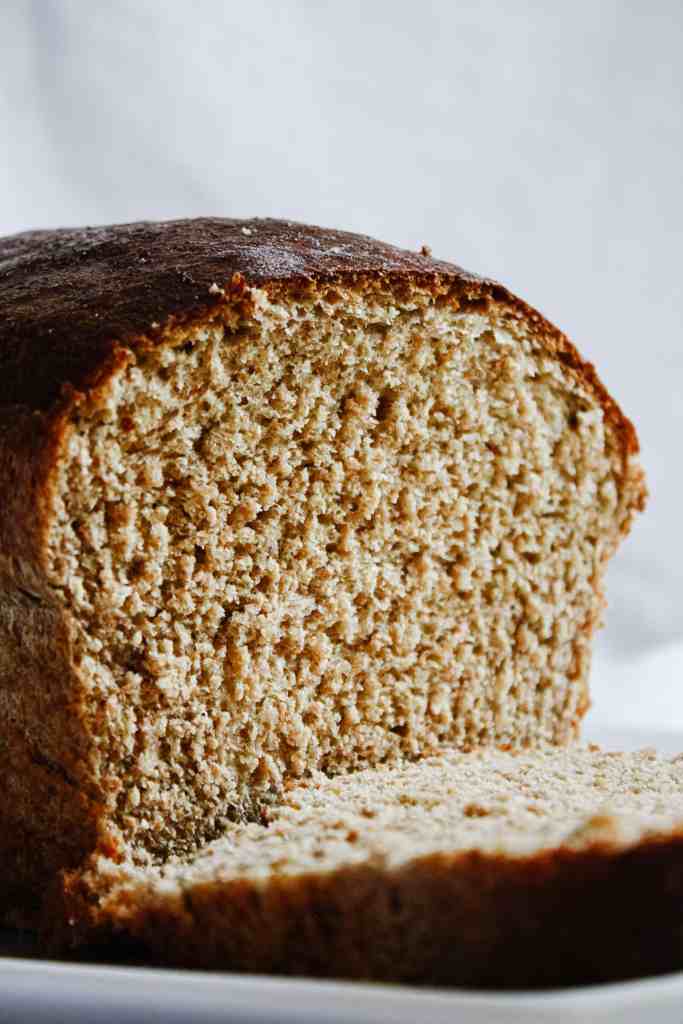
This sourdough spelt bread recipe is a powerhouse food that add more daily nutrients, feed your gut microbiome, and taste amazing! This bread will become a staple in your home!