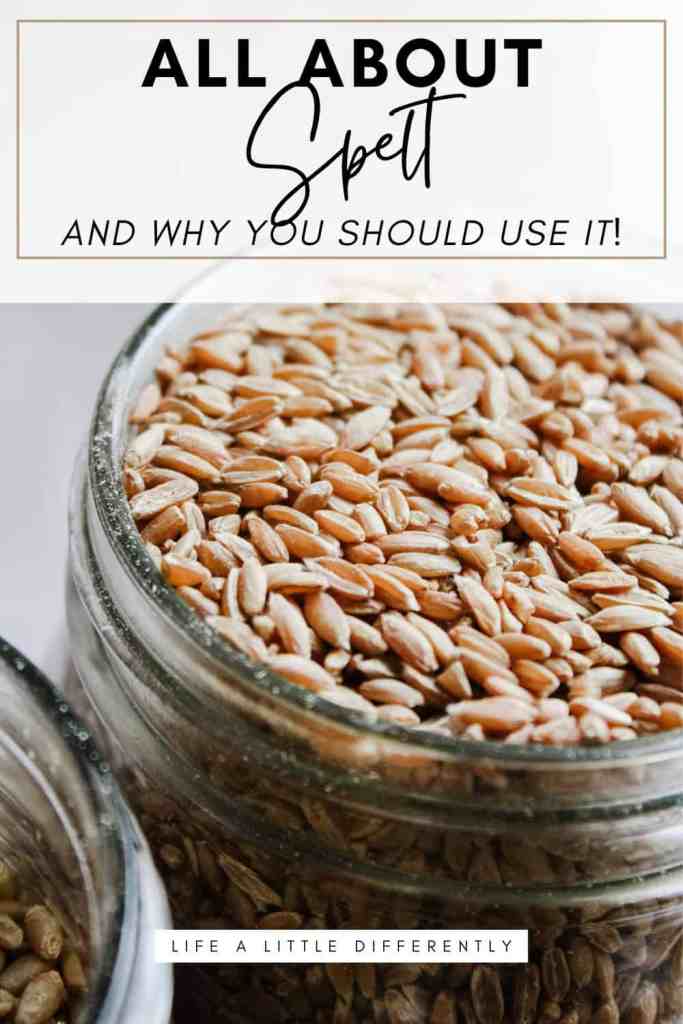
All About Spelt and Why You Should Use It
Spelt is an ancient grain that is making a come back into modern kitchens. This sweet, nutty whole grain is packed full of vitamins and nutrients to make your food yummy and nourishing!
*This post may contain affiliate links. See our disclosure policy.
History of Spelt
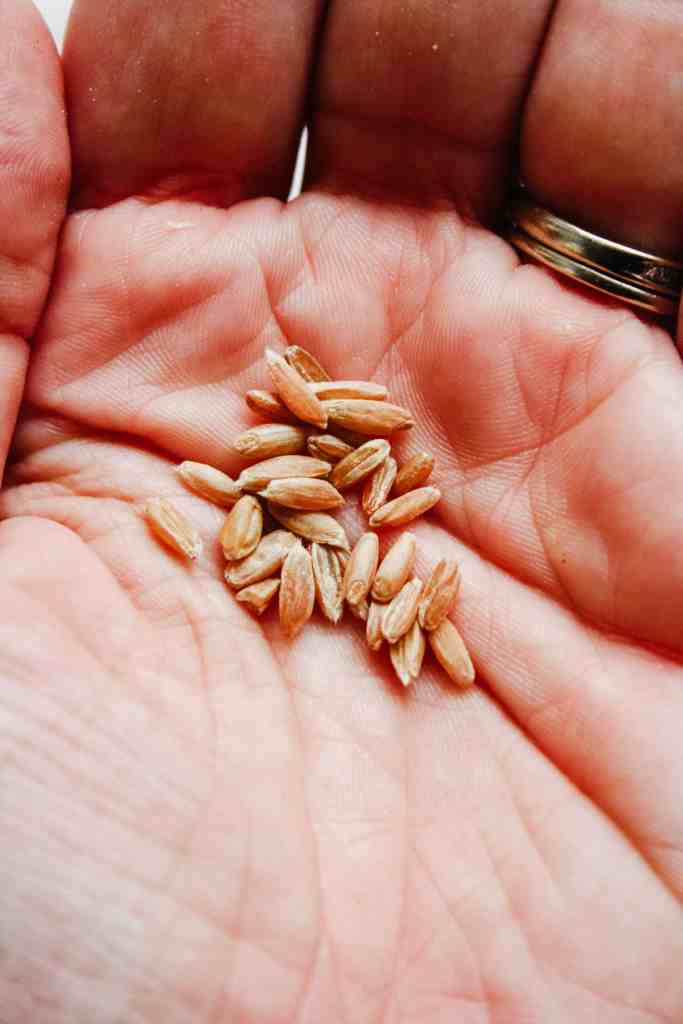
Spelt is an ancient grain alongside einkorn and emmer. It grew in Europe and the Middle Easy for thousands of years and is often mentioned in ancient texts and legends such as Greek mythology.
Spelt was a common grain used to make bread in ancient times, but then it was abandoned for modern wheat varieties. Modern wheat offered a higher yield than ancient grains. Today, people are beginning to realize the vast nutritional benefits of spelt, and the grain is gaining in popularity and use.
Nutritional Benefits of Spelt
Magnesium – Spelt is high in magnesium which is good for muscles, heart health, and bone health.
Selenium – While Brazil nuts are a popular source of selenium, spelt is also a great source of selenium. This nutrient is an antioxidant boosts the immune system, supports thyroid healthy, and fights against oxidative stress.
Iron, B Vitamins, Zinc – Spelt contains these three vitamins that are vital for immune health, making energy, cellular metabolism, and more.
Fiber – Spelt is a great source of fiber. Fiber is necessary for digestive health, regular bowel movements, and detoxing the body on a regular basis.
Protein – Compared to other grains, spelt is a great source of protein. It helps you to feel fuller and more satiated after eating it.
Health Benefits of Spelt
No pesticides – Spelt grain has a tough outer shell that protects the wheat from bugs. This natural protection means that spelt grain is rarely sprayed with pesticides, unlike modern wheat.
Less gluten – While spelt contains gluten, it is less gluten than modern varieties. The gluten is more delicate and could be dissolved in water, making it easier to digest. Some people with gluten sensitivities find spelt a much easier grain to digest.
Lowers Cholesterol – Studies have proven that spelt can lower cholesterol and promotes a healthy cardiovascular system. The magnesium in spelt lowers the risk of developing a heart disease.
Boosts Immune System – The combination of vitamins and minerals including zinc in spelt grain boosts the immune system and healthy energy levels.
Taste of Spelt
Spelt has slightly sweet, nutty flavor that makes every baked good rich and delicious. The grain produces light and fluffy bread or muffins while still having the rich whole grain flavor. If you used to stay away from whole grain because of the dry, dense texture, spelt will be a pleasant surprise as it has the best texture AND the nutty flavor!
How to Cook Spelt
To cook the spelt grain berries, soak a cup of spelt berries in water overnight. The next day, strain off the water and boil the spelt in 3 cups of water or broth for 30-50 minutes or until the grain is plump and chewy. Add the cooked spelt to soups, salads, or side dishes for added flavor, texture, and whole grain nutrition.
How to Bake with Spelt Flour
Spelt flour does not absorb as much liquid as much as other types of flour, therefore it is important to use more spelt flour when converting a recipe. According to Homeground Flour by Sue Becker, it is important to add an extra 1/4 cup of flour for every 1 cup of flour that is called for.
I have found that 160 g of spelt flour per 1 cup of flour works the best. This ratio creates delicious breads, cakes, muffins, and more without becoming dense. While some wheat varieties will not rise and should not be used for rising bread recipes (i.e. soft white wheat), spelt flour can create both fluffy, soft muffins or soft rising bread. It is good for both types of recipes.
What to Make with Spelt Flour
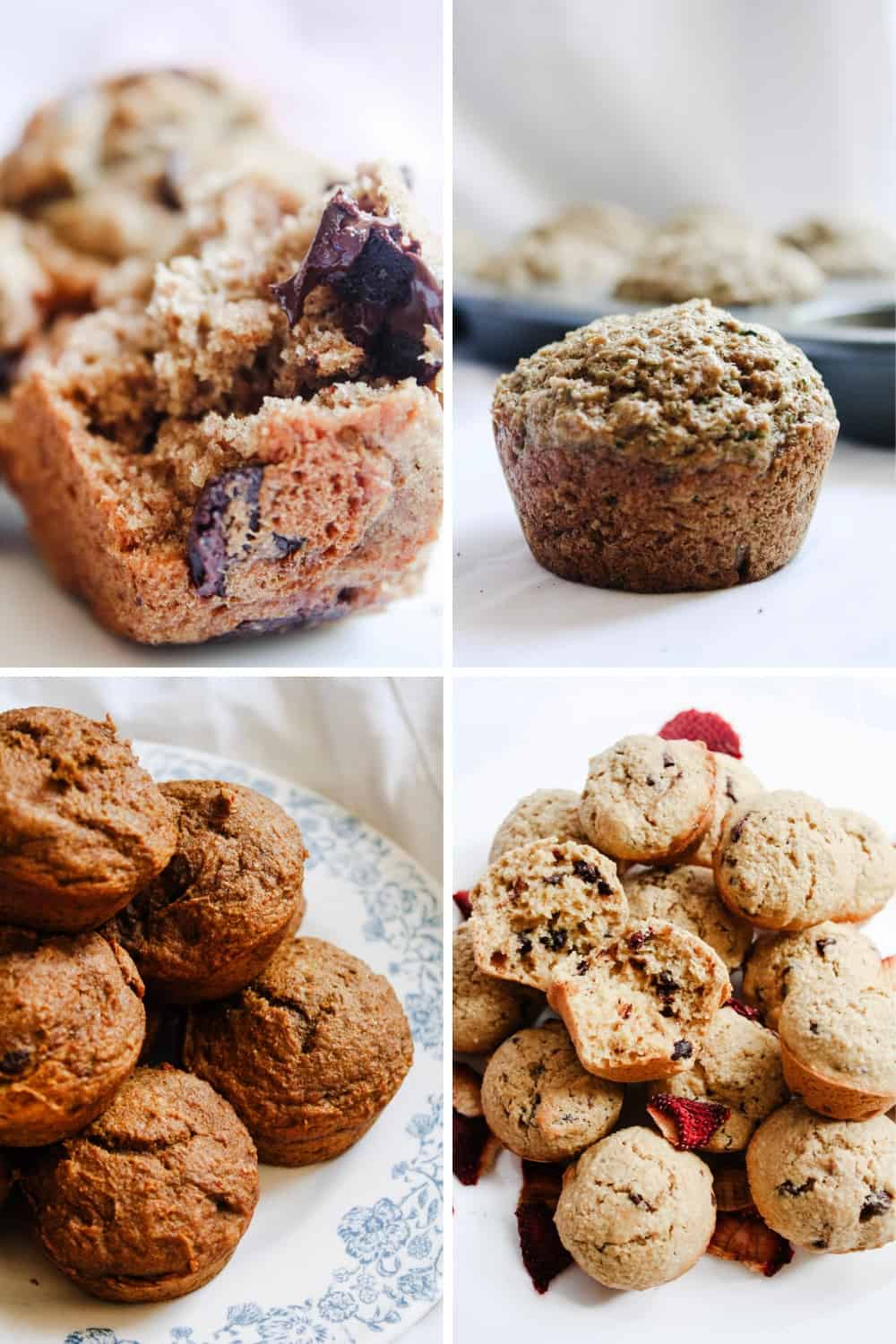
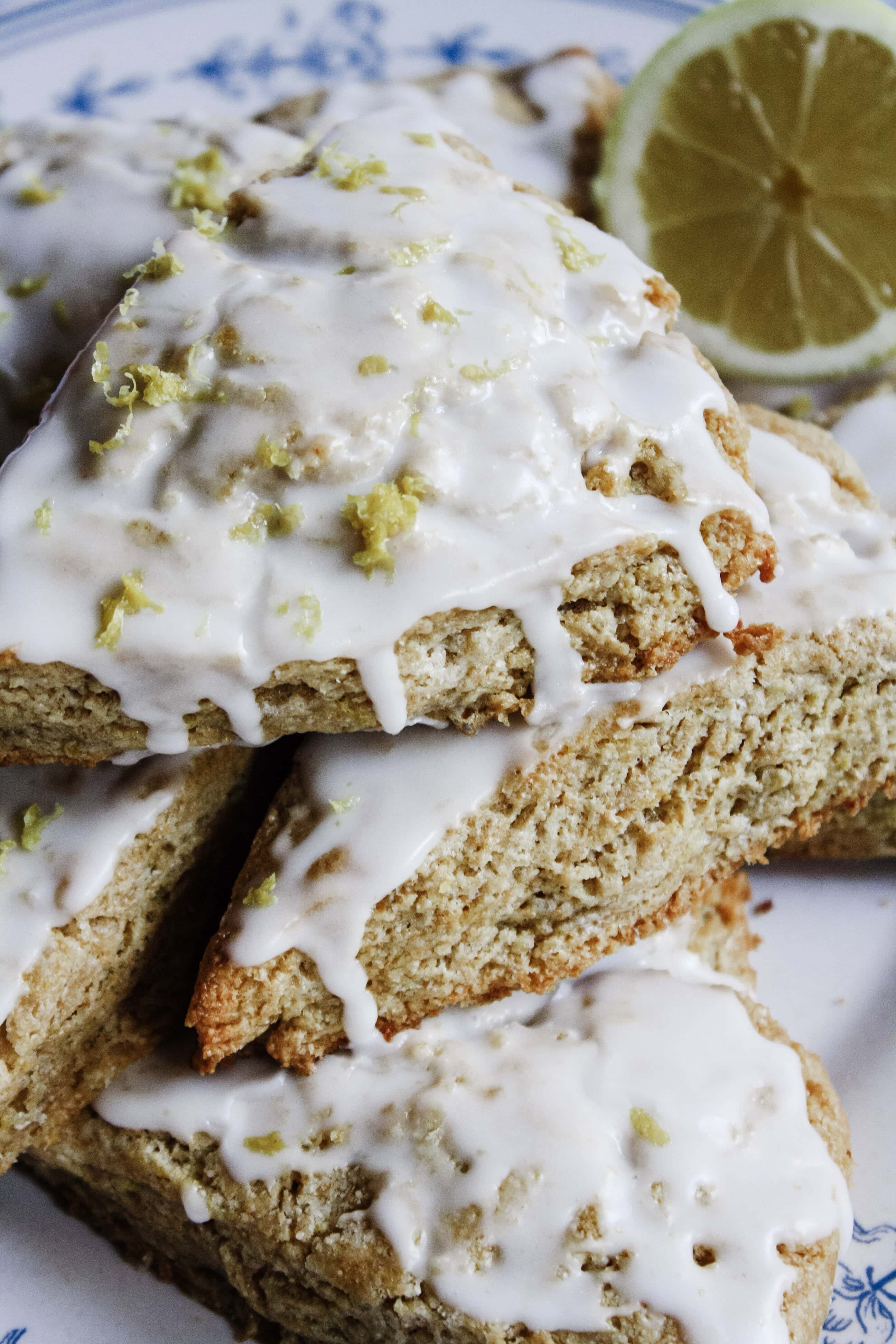
There are endless possibilities of the things you could make with spelt flour! Here are a few of our favorites!
Learn more: 9 Fresh Milled Recipes You’ll Use Again and Again

Where to Buy Spelt
Spelt flour can be found at local grocery stores or whole food stores. You can also check out your local farmers markets for vendors who grow or mill fresh spelt. If you prefer to mill your grain fresh, Azure Standard is a great place to order spelt grain berries in bulk. If you are new to Azure Standard and how a food co-op works, check out Azure Standard for Beginners: What You Need to Know.
Learn more: A Grain Mill Buyer’s Guide for Beginners
How to Store Spelt
Spelt flour can be stored in an airtight container or bag. If you plan to keep the flour for a long period of time, keep the flour in the freezer to preserve freshness.
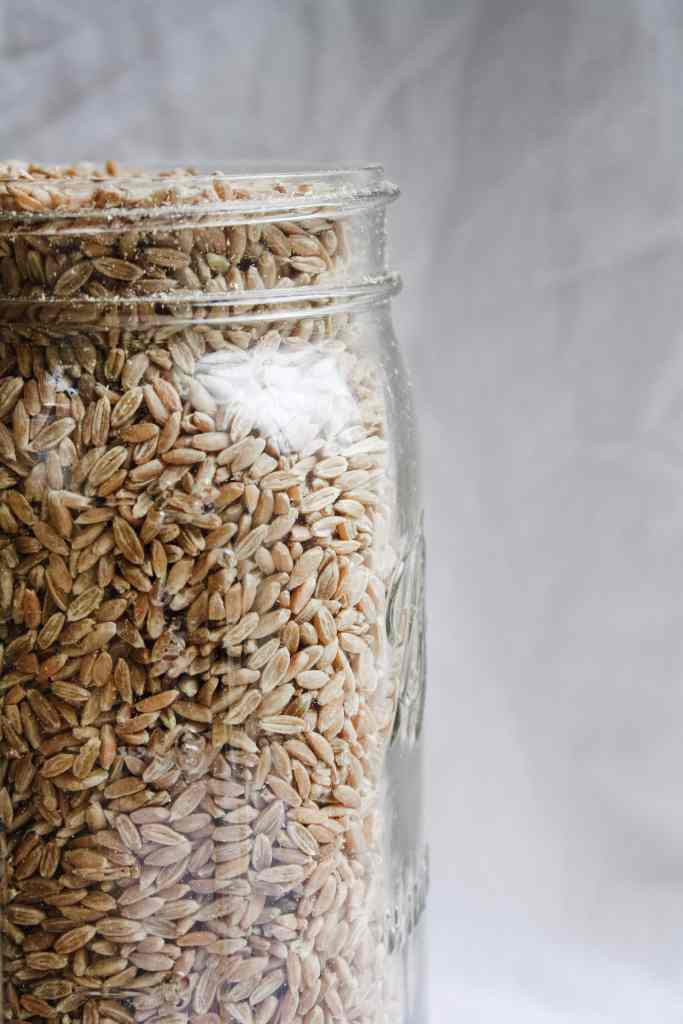
Store your spelt grain berries in airtight, food grade buckets for long term storage. I like to keep small amounts of spelt on hand in glass jars so they are easy to grab while I am cooking. Grain berries will last for many years if it is stored in airtight, food storage buckets. You can order high quality buckets and lids from Azure Standard.

FAQ
Is spelt healthier than modern wheat? Yes, spelt offers many nutritional benefits and health benefits that are not found in modern wheat varieties.
Is spelt easier to digest? Spelt has a lower gluten content that many report is easier to digest than regular wheat. If the spelt flour is fermented with sourdough to break down the gluten, it is even easier to digest.
Can I use spelt flour in any recipe? Yes! You can substitute 160 g of spelt flour for every 1 cup of all purpose flour that a recipe calls for.
In conclusion, spelt is a wonderful and delicious ancient grain to include in your diet. It is rich in vitamins, nutrients, and fiber. Plus, your baked goods will be fluffy and soft with a yummy, nutty flavor. What’s not to love about spelt?!






Nice info. A print option for articles would be helpful. Thanks!
Thank you!