Top 10 Medicinal Herbs for Beginners
Looking to start your own herbal apothecary? These are the top 10 medicinal herbs that every new herbalist needs to have on hand!
*This post may contain affiliate links. See our disclosure policy.
Where to Source Herbs
To build an effective apothecary, it is important to source good, quality herbs. Organic herbs, however, can be very expensive. My favorite, affordable place to buy quality organic herbs at a great price is Azure Standard.
Azure Standard has a wide variety of herbs as well as supplies to make tinctures such as bottles and droppers, glycerin, funnels, and more! When you build your home apothecary, set up an account and shop the selection at Azure Standard.
Learn more: How to Save Hundreds on Organic Groceries and Herbs

How to Use Herbs
Herbs are used in a variety of ways to treat an illness or support the body. The quickest way to use an herb is by brewing a tea. Steep the herbs in hot water for 10-15 minutes, strain off the herb, and drink the warm tea.
If you are using a tea to treat an acute condition (i.e. a cough), you will need to drink 3-4 cups of tea a day for the herbs to be effective.
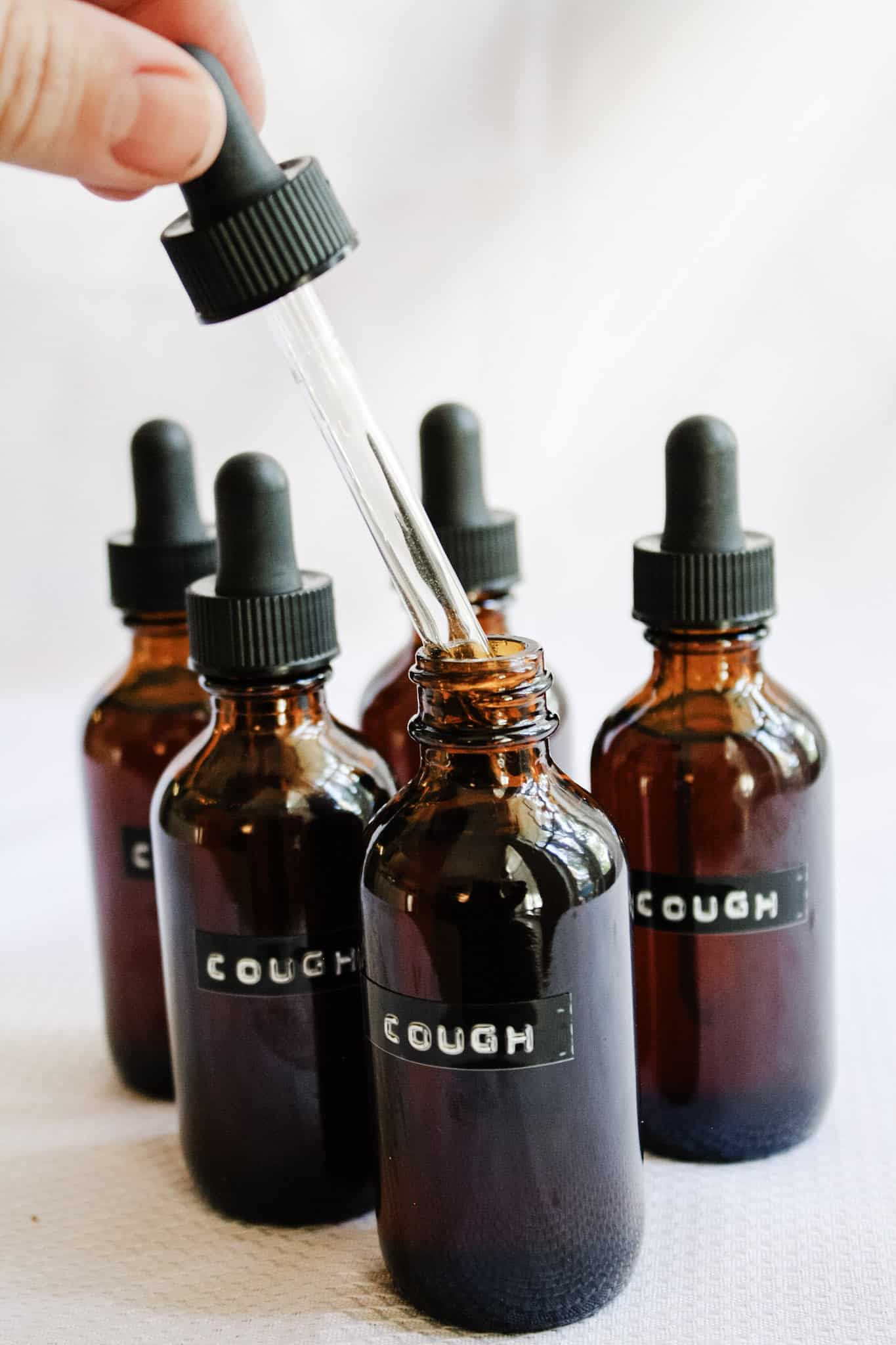
Another way to use herbs is to make a tincture, extracting the medicinal properties of an herb by steeping it in alcohol or glycerin for several weeks. Tinctures make it easy to get a powerful dose of the herb in just a few drops and use it frequently throughout the day.
One of my favorite ways to use herbs is by making a salve. Make a salve by infusing the herb (or herbs) in an oil, straining off the herbs, and using the oil combined with beeswax to create a creamy salve. Apply to treat skin conditions, muscles, headaches, and more.
There are many other ways to use herbs to support health, but teas, tinctures, and salves are great beginner methods. The key to herbalism is to start an herb early (when illness is detected) and to take it often. Herbs are not meant to be used once every 6 hours like conventional medicine. Use the herbs often each day until the symptoms are healed.
Learn more: Herbal Remedies

1. Echinacea
Echinacea is an immune-boosting herb, taken at the first sign of illness. It is anti-fungal and anti-bacterial making it extremely effective against fungal and bacterial infections. It can also treat coughs and colds.
Brew a yummy tea or make a tincture to start using the echinacea herb. The key is to use the herb frequently at the first sign of illness to see its true effectiveness against an illness.
Learn more: Healing Herbal Broth
2. Lemon Balm
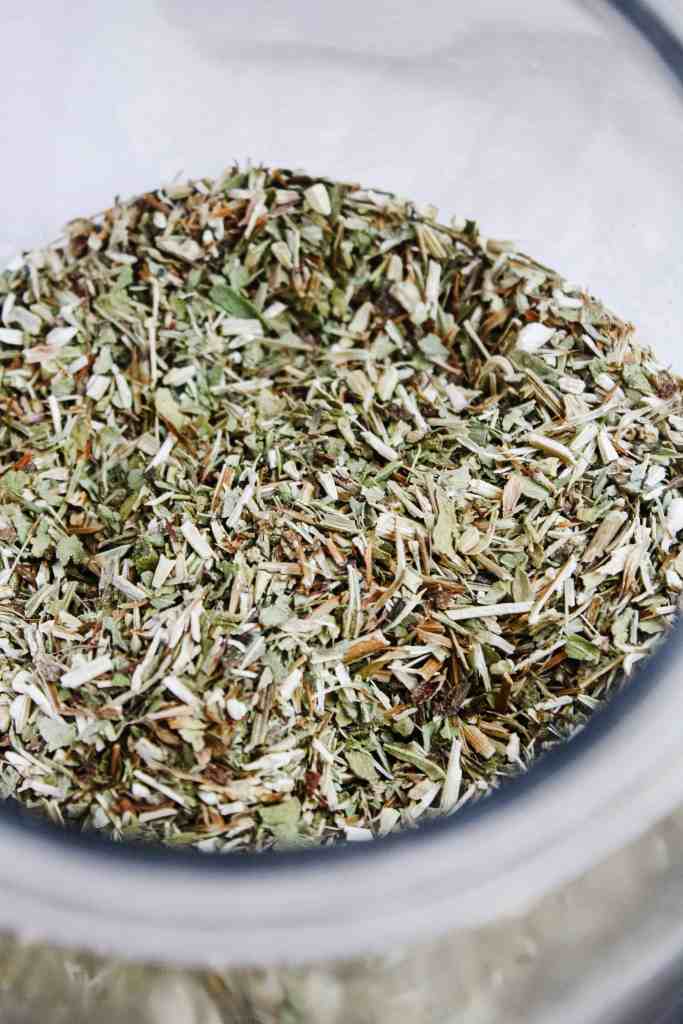
Lemon balm is a lemon-y flavored herb. It calms and nourishes the nervous system and is used to treat insomnia, sadness, or calm restless children. It can also bring focus to those who struggle with ADD or ADHD.
Lemon balm not only calms the nervous system, but it also calms the digestive system, relieving stomach cramps and discomfort.
A simple tea, an herbal bath, or a glycerin based tinctures are all great ways to harness the healing benefits of lemon balm.

3. Chamomile
Chamomile is a calming herb that is used to treat inflammation and fevers. It is also used to relieve general aches and pains, calm the body for quality sleep, and support the nervous system.
Chamomile can also relieve bloating, gas, or nausea by treating the digestive system. Turn this herb into a tincture, tea, herbal bath, or an infused oil.
Learn more: Calming Herbal Tea Blend

4. Peppermint
Peppermint is known for its sweet smell and cool, minty flavor. The peppermint herb is great for relieving nausea, bloating, or gas. It can be made into a tincture for quick access to the peppermint’s medicinal properties or a tea to sip on.
Peppermint can also help to relax and heal muscles. Peppermint tea can relax the muscles in the head and relieve headaches. It can also be made into a peppermint salve and rubbed on sore, tired muscles.
Learn more: Easy Peppermint Salve
5. Nettle
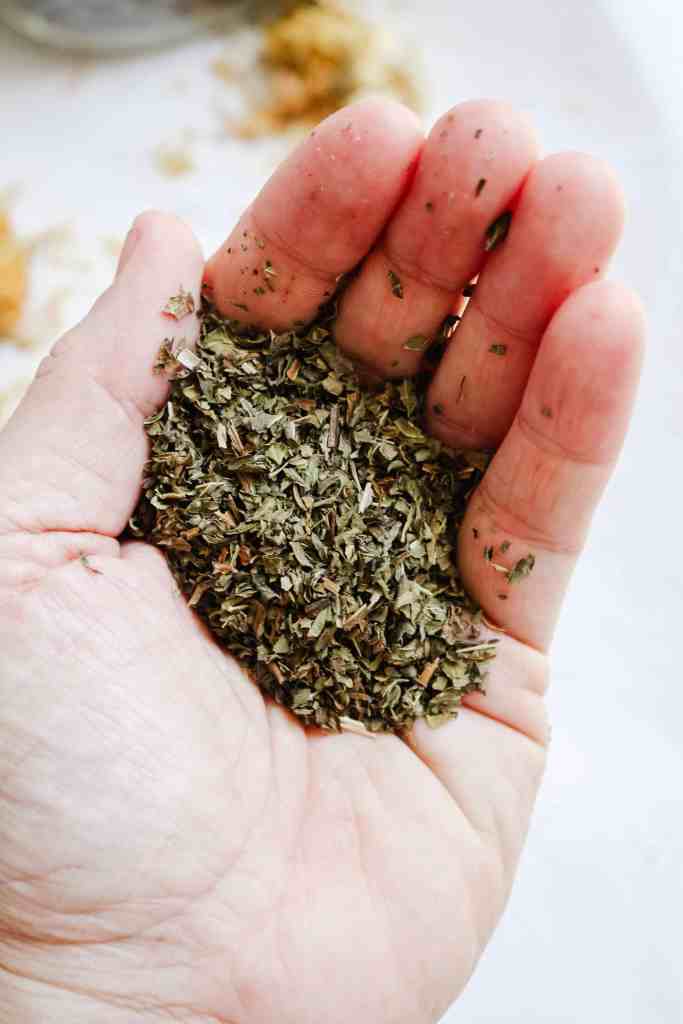
Nettle can be used to relieve the pain of achy bones or joints. It can address growing pains in children or arthritic pain in adults.
Nettle is high in vitamins and minerals. It nourishes the reproductive systems of both men and women, keeping them healthy, strong, and functioning.
Do you struggle with seasonal allergies? Nettle can be used to treat seasonal allergies or hay fever. Just brew a tea, cook up the greens, or make a tincture.
Learn more: Gentle Detox Bath

6. Yarrow
Yarrow is a well-rounded herb that can be used to treat many different conditions. First of all, it is considered a first-aid herb. Yarrow is a styptic herb which means it stops bleeding. Whether you make a tincture or apply a poultice directly to a wound, this herb will help to stop bleeding.
Yarrow can also be used to ease stomach cramps or start a delayed period. It can also help to reduce swelling or reduce a high fever by adding yarrow to an herbal bath.
Overall, yarrow can be used to treat many different types of conditions and is a great herb to have on hand as a beginner herbalist.

7. Calendula
Calendula is a wonderful herb to heal many skin conditions such as rashes, eczema, scrapes, cuts, or any other skin issues. It makes the perfect salve and is great for use on babies such as diaper rashes, cradle cap, and more.
Calendula is also effective in reducing swelling in the lymph system. The lymphatic system does not have its own “pump” mechanism in the body, therefore herbs such as calendula to flush out the lymphatic system will improve overall immune health.
Learn more: How to Make Calendula Salve

8. Elecampane
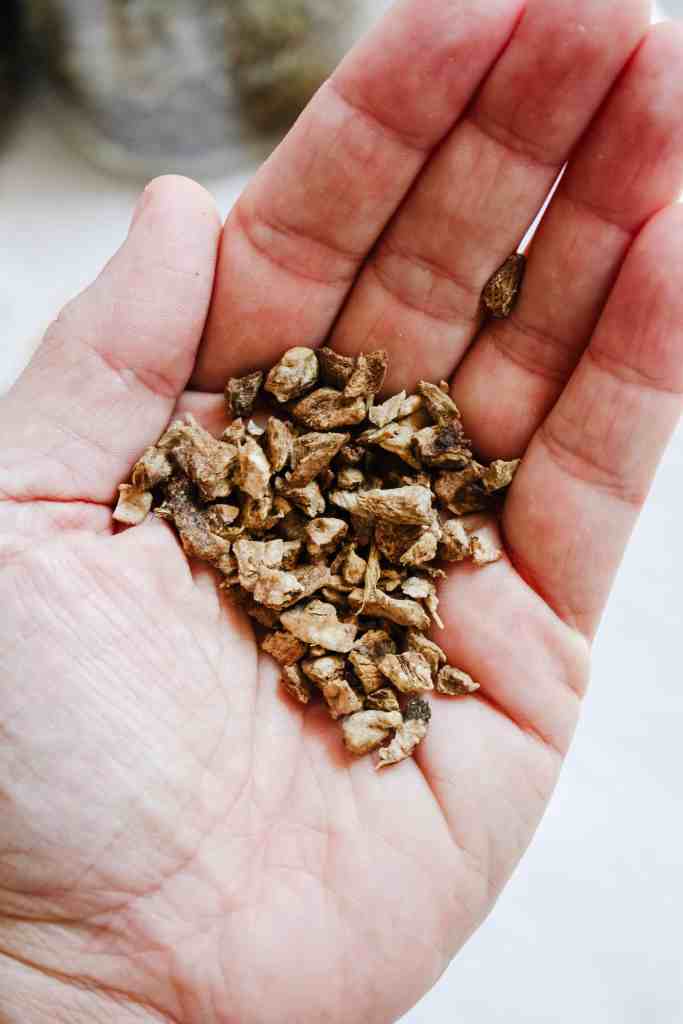
Elecampane is the go-to herb for any type of bronchial infection. This herb is an expectorant, stimulating the lungs to cough up and get rid of mucus. Elecampane is also an antiseptic and can be used to treat tonsillitis or other infections.
Learn more: Soothing Herbal Tea Blend for Coughs
9. Elderberry
Elder flowers and elderberries are one of the best immune support herbs, especially when fighting a cough or a cold. It is also an antiviral and can fight against infections. Elderberries can be made into a yummy syrup that can be taken as a daily immune support or create a tea or tincture.
10. Mullein
A common use for mullein herb is to treat ear infections. The herb fights pain and is also an antiseptic meaning it fights infection. A drop of warm, mullein-infused oil into a tender ear is a gentle way to treat ear infections.
Mullein, paired with other herbs such as echinacea, work to flush out and reduce swelling in the lymph nodes. If you feel that your body is retaining water through the lymph system, try some mullein tea or a salve.
Lastly, mullein is an effective herb to fight against coughs or bronchial infections. This herb both relieves cough spasms and helps the body get rid of excess mucus in the lungs.
Learn more: Cold Remedy Tincture