How to Switch to Whole Foods One Meal at a Time
Ready to learn how to switch to whole foods without feeling overwhelmed? No need to overhaul your kitchen in one day. Just start by replacing ingredients one meal at a time. Learn how to stock a from-scratch kitchen and stop buying packaged food!
*This post may contain affiliate links. See our disclosure policy.
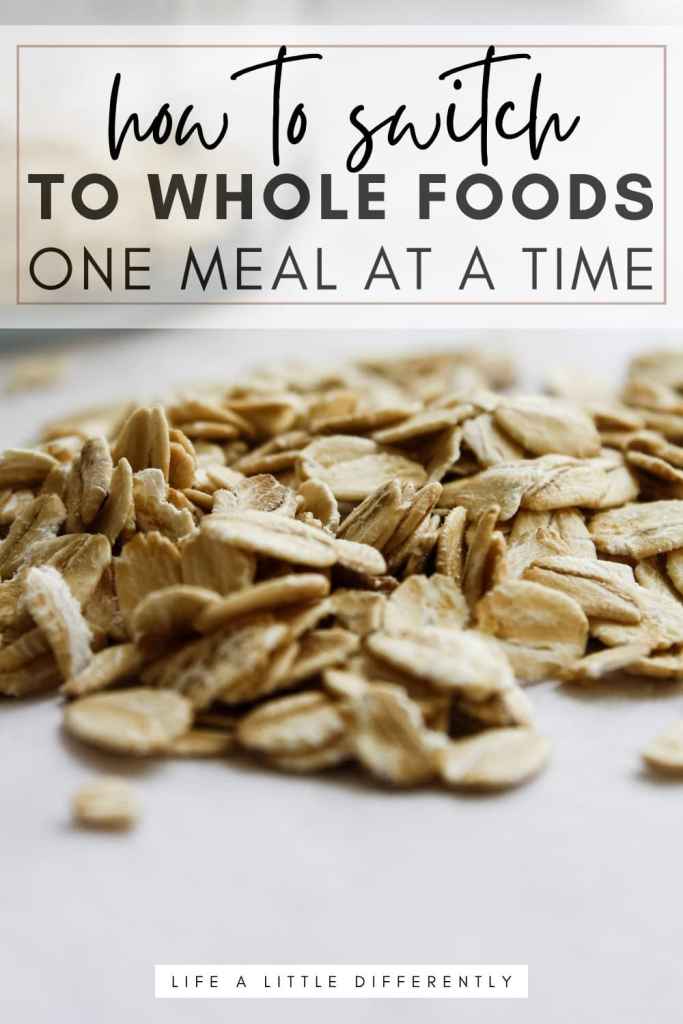
What counts as “processed food”?
All food that is cooked, packaged, or changed from its original form has been processed. Technically a can of black beans or a container of plain Greek yogurt has gone through processing.
The “processed” food to avoid is called ultra-processed foods. These foods are made with several complicated ingredients including chemicals, dyes, flavorings, preservatives, and more. These foods are far from their original form. An example would be many popular breakfast cereals or box mixes.
The goal of learning how to switch to whole foods is to weed out items with long ingredient lists and switch to foods that were minimally processed and contain a few simple, identifiable ingredients.
Why make the switch?
Ultra-processed foods make up the majority of our grocery stores. The pretty packaging, clever marketing, and irresistible flavor of these foods keep us hooked! But the substances that make up these foods are making us sick and depriving our bodies of real nutrients.
Foods that have been ultra-processed are chemically designed in a lab (often made from cheap corn or soy) to have the perfect combination of salt, fat, and sugar to keep us coming back for more, unable to stop eating it. The addition of preservatives to keep it on the shelf for months, natural flavorings to make the flavor of the food other-worldly, and food dyes for deep colors that catch our attention makes these foods a scientific feat! See the difference between American ingredients and European ingredients.
Your body deserves (and needs!) better. It’s time to weed out the chemicals and replace it with simple ingredients and delicious whole foods that will nourish your body from the inside out. Food companies have been lying to us for years about the safety of these ultra-processed foods, but it’s time to fight back by making the switch.
How Do I Make the Switch?
Learning how to switch to whole foods does not have to be done overnight! Take it one step at a time.
- Step 1: Choose 1 dinner to make from scratch with clean simple ingredients. This one pot beef and broccoli meal is an easy, go-to dinner for me!
- Step 2: Switch out one food category at a time rather than overhauling your entire pantry. Maybe start by switching out your snacks, then your freezer items, etc. For a list of clean ingredients for a whole food kitchen, check out this post and download my checklist!
- Step 3: Begin to stock your kitchen with basic ingredients that you can use to make some of your favorite foods from scratch. For example, don’t buy the box mac n’ cheese. Instead, grab some pasta, a block of cheddar cheese, butter and milk to make your own mac n’ cheese at home. This is a yummy baked mac ‘n cheese recipe and you can use whatever small pasta you have on hand!
- Step 4: Learn to make a few staple recipes from scratch. Snack foods are a great place to start such as homemade granola bars or ham & cheese crescent rolls.
- Step 5: Expand slowly so that these new habits stick. Continue to learn new recipes, make more staples from scratch, swap out processed foods for simple ingredients, and soon you will have transformed your diet for the whole family!
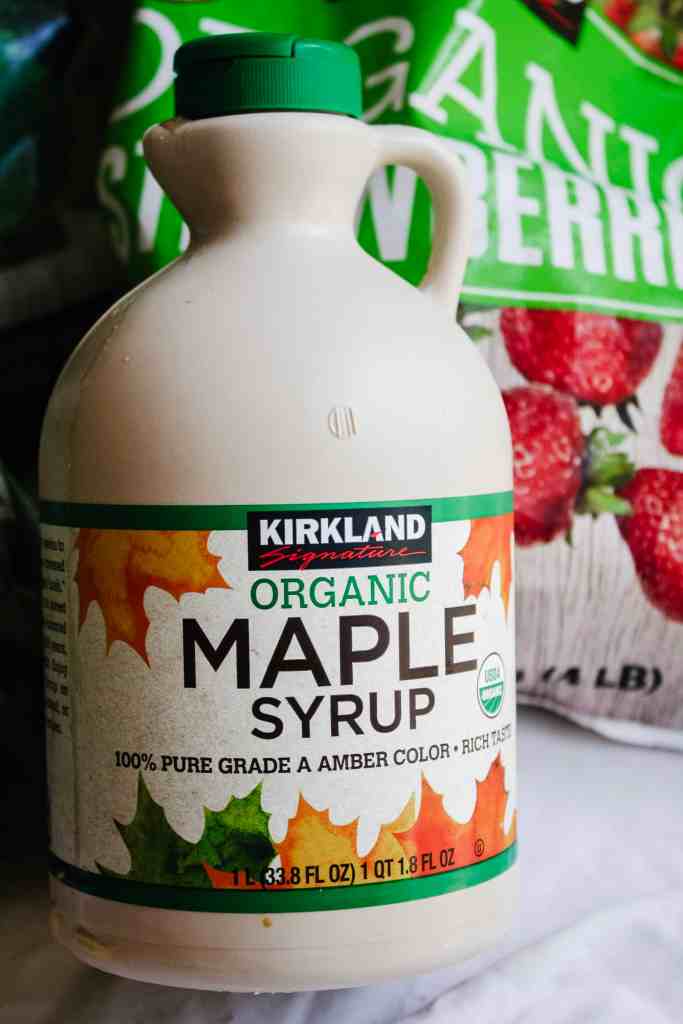
What do I do with the packaged food I already have?
If you are ready to make the switch from processed food to whole foods, you have a few options for the processed food you already have.
Throw It Out: I don’t recommend switching your kitchen all at once (we want these new habits to stick!), but if you are an all-in kind of person, then you could start by filling a trash bag.
Donate It: If you have unopened food items that are not expired, donate it to a local food pantry.
Use It Up: Use up the food you already have and then replace it with simple whole foods instead.
What do simple meals look like?
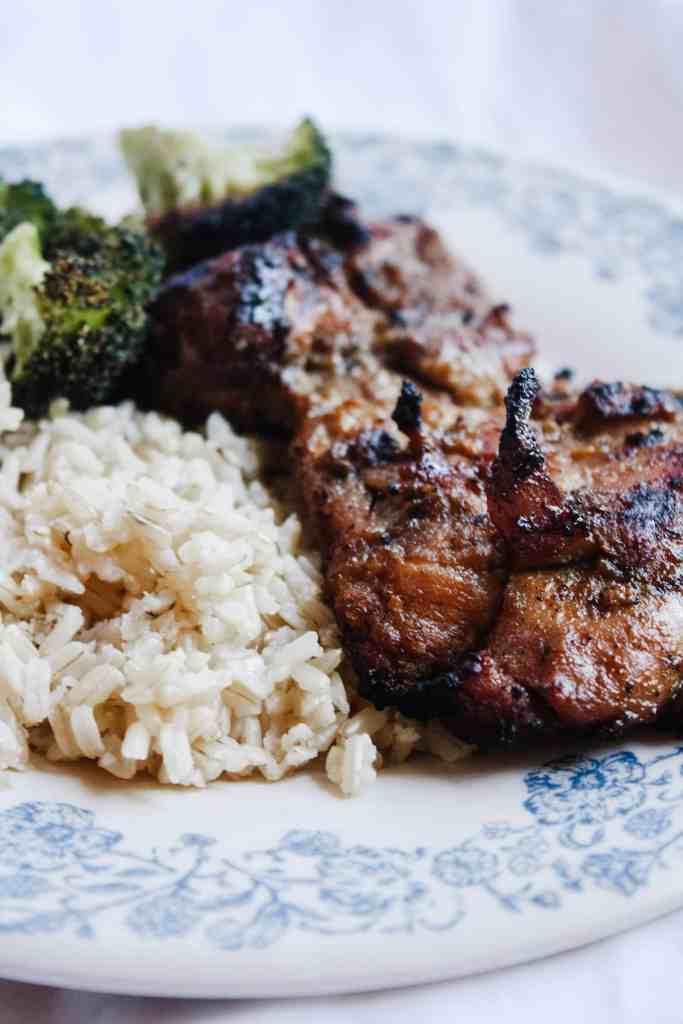
Simple meals are possible, even if you are sticking to basic ingredients. An easy meal equation that I like to use for lunch or dinner is protein + veggie + carb = healthy meal.
Some meal ideas are:
- Marinate and grill some chicken, pork chops, or steak. Add brown rice or roasted potatoes for a carb and roasted broccoli for a veggie. This my favorite Southwest marinade and Asian marinade for any meat.
- Eggs are a great source of protein in the morning! This bacon cheddar zucchini quiche is a show stopper plus its delicious!
- Other breakfast ideas are easy protein oatmeal, yogurt and granola, kefir smoothie, or whole grain muffins. Many of these breakfasts are easy to make in a big batch to last the week or stock your freezer for convenient breakfasts on busy mornings.
- A few easy snacks that you can have on hand are homemade granola bars, ham and cheese crescent rolls, or bone broth hot chocolate.
- Kitchen staples to have on hand or stock your freezer with would be easy fruit jam, sandwich bread, crescent rolls, or bone broth.

How do I handle busy schedules and convenience?
The reason we reach for ultra-processed so often is because we are busy and need convenient food options. Here are five ways to prepare for busy schedules and have convenient, whole foods on hand.
- Batch Prep: Don’t just make one batch of something! Double or triple a batch of bread, muffins, or soup. Store the extras in the freezer for easy grab-and-go foods on a busy week or enjoy the full batch all week long.
- Freezer: The freezer is your best friend! Stock your freezer with frozen veggies, fruit, meat, and extra batches of baked goods so that you can always pull together a quick meal.
- Meal Prep: For some, meal prep means freezing soups and casseroles. This type of prep doesn’t work for everyone. My favorite way to prep is to dice and freeze my veggies for soups such as carrots, celery, onion, or bell peppers and pre-cook meat such as ground beef or shredded chicken to freeze. Cooking meat and dicing veggies take the most time when making a meal. Eliminating these steps makes cooking a whole food meal quick and easy!
- Simple Meals: Build a repertoire of simple meals that can be made in 30 minutes or less. Throw together a soup with your freezer prepped veggies and meat or make a one pot meal that the whole family will enjoy. Throw meat in the fridge at the beginning of the week so you have defrosted meat that will cook up quickly.
- Easy Snacks: Keep simple snacks on hand that don’t require any prep such as cheese sticks, meat sticks (Chomps is a great, clean brand!), apples & peanut butter, clementine’s, etc. If you choose to buy packaged snacks, find snacks that have only a few ingredients that you are able to read on the packaging.
How do I deal with picky eaters and cravings?
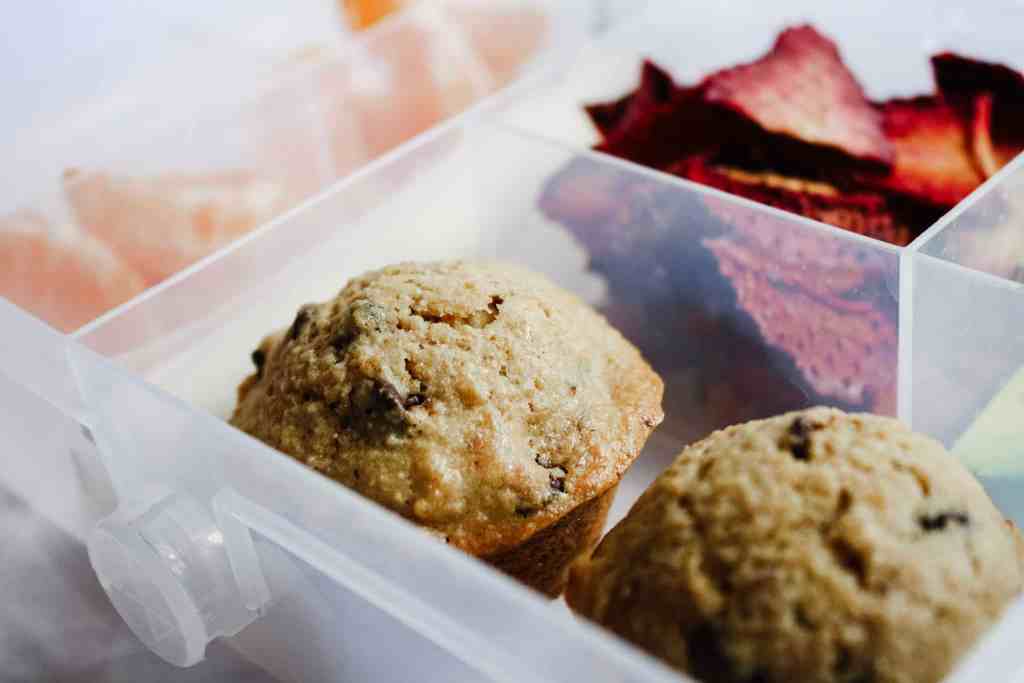
Making the switch to whole foods can be difficult because everyone has their favorite ultra-processed foods, especially kids! Get them excited about trying new foods by getting them involved in making homemade mac ‘n cheese or mini muffins (instead of Kraft or Little Bites). Kids have an easier time trying new foods if they can take ownership of the cooking process!
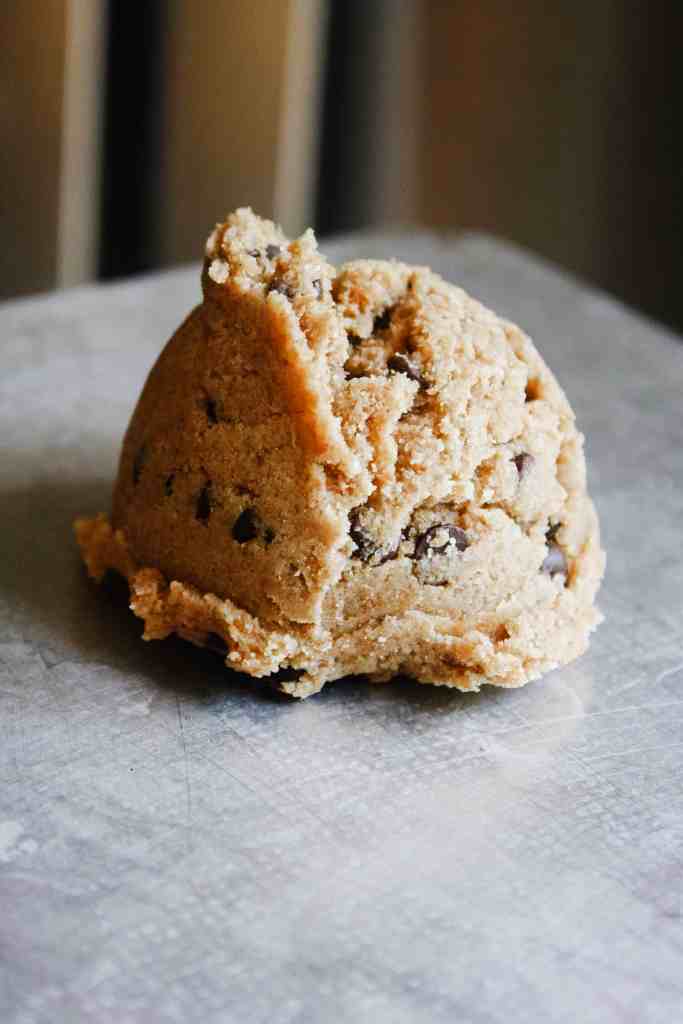
Keep homemade treats in the freezer ready to go when a craving strikes! Cookie dough is a great option! Make a triple batch and freeze it in balls so that you can just pop them in the oven and have fresh, homemade cookies in minutes!
How long does it take to feel settled?
If this is a new way of grocery shopping, cooking, and eating for you, it can take a bit of time to adjust. It may take you a month to slowly replace the processed food in your pantry, find delicious recipes that you love to make, and gently transition your family into a new way of eating. Give yourself time and grace to make the switch.
After a few months, you should feel more comfortable with grocery shopping, making new meals, stocking your freezer with homemade staples, and getting your family on board with eating real food.
The key is to stick with it! Cutting out ultra-processed foods is worth it for you and for your family! Try new recipes, get your kids involved, read labels, and keep choosing real ingredients over chemicals. Overtime, your taste buds and cravings will shift.
How do I stock my pantry?
When it comes to stocking a clean ingredient kitchen, there are a lot of questions to be asked.
- What do I buy?
- Where can I buy it?
- Is it expensive?
- How do I buy in bulk?
I asked all of these same questions when I started to make the switch for our family! Now I try to share what we’ve learned! Check out How to Start a Clean Ingredient Pantry for Beginners and snag my free printable checklist.
If you want to learn more about where to shop and how to begin buying in bulk in order to save money, check out How to Shop Azure Standard and Costco and How to Start Buying Bulk Groceries.


One Comment